Nishorga — 39th Anniversary Edition · Notre Dame Nature Study Club
Sound Pollution: Impact of Transportation
December 2023
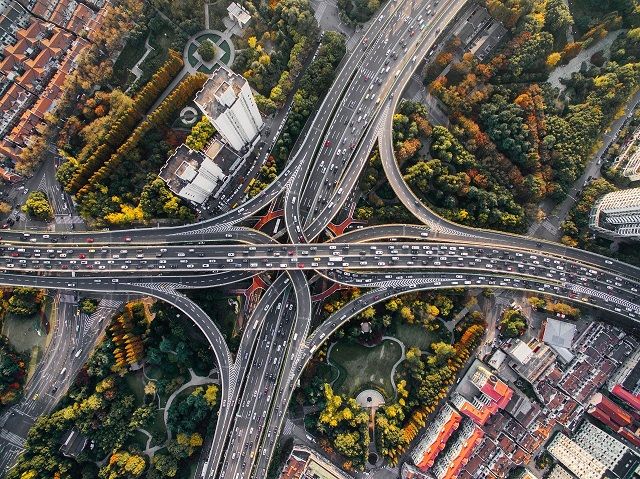
In our busy cities and advancing world, there’s a problem we might not notice much-sound pollution. It happens because of our growing technology and cities, making a lot of noise around us. This introduction talks about this issue, how it starts, and why it matters for the environment and our well-being. Understanding these sound problems is important for us to live together better in our noisy world. Within the realm of sound pollution, a multitude of factors demand consideration, and among these, transportation emerges as a prominent and consequential contributor.
In the orchestration of daily life, the role of transportation is fundamental, composing a symphony of sounds that permeate our existence. Yet, within this auditory tapestry, a discordant note emerges - sound pollution. This exploration aims to dissect the intricate impact of transportation on the generation of sound pollution, unraveling the layers of this auditory challenge.
The evolutionary progression of transportation parallels the evolution of society. From the rhythmic hooves of horse-drawn carriages to the modern hum of engines, each era contributes to a distinctive auditory signature. The advent of automobiles, trains, airplanes, and ships introduces novel noise sources, shaping the acoustic landscape of both urban and rural environments.
The vast network of roads, an essential conduit for the movement of people and goods, serves as a resonating chamber for vehicular noise. The interaction between rubber and asphalt generates a subtle yet pervasive symphony of tire noise, the intensity of which is dictated by factors such as vehicle speed, volume, and types of vehicles traversing the roads.
Airports, train stations, and bus terminals resonate with the clamor of engines, announcements, and passenger activity. The harmonious efficiency of transit operations is juxtaposed against the discordant soundscape that envelops these hubs, prompting considerations about the long-term effects on human health and well-being.
High-speed roadways, designed to expedite travel, intensify the challenges posed by sound pollution. The constant flow of vehicles at high velocities generates a continuous hum extending far beyond the roads’ immediate vicinity, impacting nearby communities and ecosystems. automobile transport is the largest source of pollution of the environment in the urbanized territories.
Transportation can have detrimental effects on health and material goods, manifesting in the form of vibrations induced by noise emissions and vehicular traffic. Mitigation measures are essential to alleviate these impacts. Additionally, the construction and operation of transportation infrastructure can exacerbate visual intrusion, diminishing landscapes and affecting wellbeing, particularly in urban areas with high concentrations of vehicles and signaling. Enhancing land use planning and optimizing transportation infrastructure contribute to improving living conditions in cities and reducing visual intrusion.
As transportation noise becomes an omnipresent companion in our daily lives, its impact on public perception and health cannot be ignored. Studies suggest a correlation between chronic exposure
to elevated noise levels and adverse health effects, including heightened stress levels, sleep disturbances, and cardiovascular issues. This narrative explores the nuanced intersection between transportation-induced noise and its repercussions on human well-being.
In the pursuit of harmonious coexistence with transportation, technological interventions, and mitigation strategies emerge as potential solutions. Innovations such as quieter propulsion systems, noise barriers, and urban planning considerations are scrutinized for their effectiveness in curbing the auditory onslaught. This narrative sheds light on the evolving landscape of noise reduction technologies and their integration into the fabric of transportation systems.
In conclusion, transportation, an indispensable facet of modern life, contributes to the auditory environment that shapes our daily experiences. Understanding the multifaceted impact of transportation on sound pollution is crucial to navigating the intricate web of roads, railways, and airways. This narrative serves as a comprehensive guide, unraveling the layers of this sonic challenge and paving the way for informed discourse and sustainable solutions.
References
-
Mette Sørensen, Thomas Münzel, Mark Brink, Nina Roswall, Jean-Marc Wunderli, Maria Foraster, 2020, ‘Transportation Noise- an overview, Advances in Transportation and Health, Pages 105-131
-
Vadim Mavrin, Irina Makarova, Anatoly Prikhodko, 2018, ‘Assessment of the influence of the noise level of road transport on the state of environment, Transportation Research Procedia, Volume 36, Pages 514-519